When and How Often Should An Eye Examination Be?
When and how often should we have an eye examination?
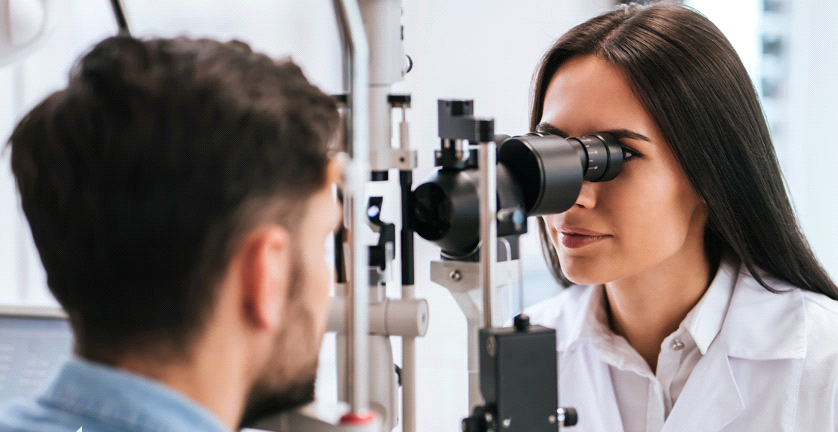
No doubt we knock on the ophthalmologist's door when we have a complaint about our eyes and sight. So, even though we have no complaints, should we go to the doctor for an eye examination? It is important to classify the answer to this question by age groups and underline the frequency of examination.
The first examination in childhood should be performed at the age of 9 months
Babies usually begin to see and follow movements around them until they are 2 months old. If you do not see a problem in your baby's eyes when viewed from the outside, if he can follow you and around, and if you do not notice a slip – strabismus in his eyes, you can wait until he is 9 months old for his first eye examination. During an eye exam that should be performed routinely in infants aged 9-12 months, your doctor will inform you about the health of the eye structures, whether there is a defect in the glasses or a slip that can cause laziness in the eye. A similar examination should be repeated around 3 years of age, especially crushing defects (such as astigmatism and high hypermetropia) that can cause laziness of the eyes should be detected.
If your child is squinting his eyes...
Healthy children should also have an eye and vision examination during the start of primary school (6-7 years). School-age children are prone to developing myopia as their close activities increase. During this period, eye examinations should be performed in accordance with the complaints of children (inability to see the board, squinting, eye fatigue and headache).
Adult period checks should start at the age of 40 and should not be disrupted
Young adults should not disrupt eye examinations after the age of 40. In glaucoma patients, increased eye blood pressure, close vision problems due to lens dysfunction (presbyopia) usually begin at this age. Those with systemic diseases such as diabetes, hypertension and rheumatoid arthritis, as well as those with any eye disease in their family, should have an eye examination without waiting for the age of 40.
Age 55 and older should be wary of "cataracts"
After the age of 55, annual eye follow-up and monitoring of cataract development, eye pressure monitoring and early diagnosis of possible glaucoma disease, changes in retinal vessels and the health of the macula (yellow spot) area should be followed in these examinations.

 +90 541 266 33 82
  info@cnmedturkey.com